


Winter brings a higher risk of home insurance claims because cold weather increases the chance of frozen pipes, roof leaks, heating issues, and water damage. Many of these problems start with simple maintenance gaps that become expensive once temperatures drop.
Knowing the main winter hazards helps you stay ahead of them and reduce the chance of filing a costly claim.
Preventive steps protect both your home and your insurance budget by keeping systems stable through freezing conditions. Small actions taken early can stop water, ice, and structural stress from causing wider damage.
Read on to understand why winter claims rise quickly and how you can prepare before problems begin.
Related Article: What Is the Average Home Insurance Cost in Toronto
Why Winter Claims Can Escalate Quickly
Many homeowners underestimate how quickly winter damage spreads through walls, floors, and attics. Once water touches insulation or flooring, repairs become far more complicated. Catching early signs of wear gives you time to prevent more serious problems.
Protecting Your Home From Frozen Pipes
Older homes are more vulnerable because gaps in insulation allow cold air to reach plumbing lines. Pipes near exterior walls, garages, and crawlspaces face the highest risk. Homes with inconsistent heating can also experience freezing inside the system.
Ways to reduce the chance of frozen pipes:
- Keep indoor temperatures consistent to limit stress inside the plumbing.
- Insulate pipes in unheated areas to keep cold air away from water lines.
- Seal small openings around walls so outdoor air cannot reach vulnerable plumbing.
Related Article: Does Tenant Insurance Cover Water Damage?
Preventing Ice Dams on the Roof
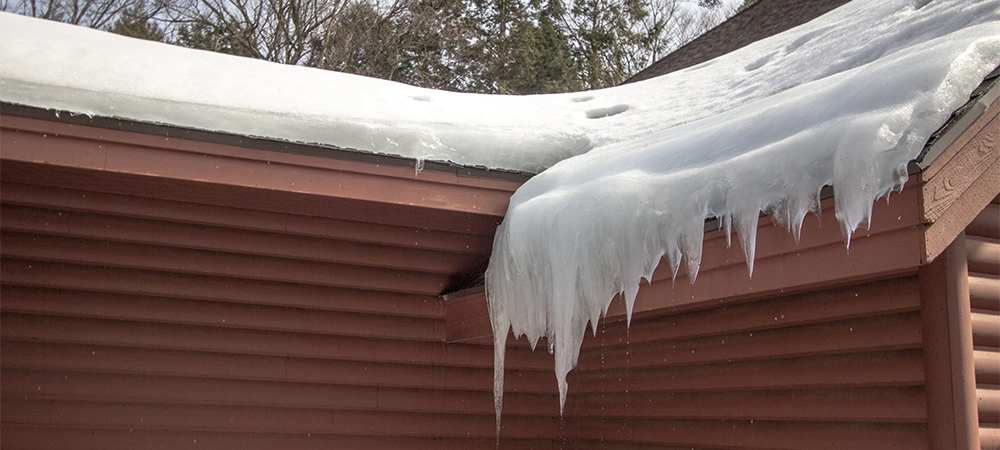
Ice dams form when heat escapes into the attic and melts snow unevenly. The melted snow freezes at the roof edge, trapping water behind it. Once water sits long enough, it finds a path under shingles and into the attic.
The damage impacts insulation, drywall, and wood framing. These areas take longer to dry because winter air traps moisture inside the materials. This leads to bigger insurance claims and longer repair timelines.
Ways to lower ice dam risk:
- Improve attic insulation to keep warm air where it belongs.
- Seal attic openings so heat does not move upward.
- Clear gutters in late fall so water can drain freely.
Improving heat control protects both the roof and attic. Homeowners who prepare early often avoid costly surprises later in the season.
Keeping Your Heating System Ready for Winter
Heating issues can lead to costly winter claims because a sudden breakdown allows indoor temperatures to drop quickly. When pipes freeze or moisture collects inside the walls, repairs become more complicated and expensive. Ensuring that your furnace runs reliably is one of the strongest ways to protect your home during the coldest weeks of the year.
Here are simple checks that support safe and efficient heating throughout the season:
- Replace filters regularly to reduce pressure on the furnace.
- Schedule a professional inspection before temperatures drop.
- Test carbon monoxide detectors near bedrooms.
Reducing Roof Stress During Heavy Snowfall
A roof that carries too much weight may show signs such as sagging, leaks, or creaking. These warning signs appear slowly and become more serious once snow accumulates. Many winter claims begin with small water spots on ceilings.
Here are effective ways to keep the roof safe during long stretches of snow:
- Trim overhanging branches so ice does not increase their weight.
- Use a roof rake to remove snow from lower roof areas.
- Inspect attic ventilation to prevent condensation buildup.
Lowering Fire Risks in Winter
Fire hazards increase during winter because more homes rely on space heaters, fireplaces, and holiday lighting. These heat sources place extra pressure on electrical systems and increase indoor ignition risks. Regular checks reduce the chance of sudden issues that lead to expensive claims.
Dry indoor air also makes fabrics and surfaces more vulnerable to heat. Older wiring, overloaded outlets, and blocked vents can add to the risk without being noticed. Steady maintenance keeps the home safer throughout the season.
Here are simple habits that strengthen winter fire safety:
- Keep space heaters away from bedding, curtains, and furniture.
- Plug heaters into wall outlets instead of power bars.
- Inspect holiday lights for loose or damaged wiring.
Keeping Water Away From Your Foundation
Freeze-thaw cycles can push water toward your home’s foundation. When snow melts during daytime warmth and refreezes at night, pressure builds around the structure. This increases the chance of cracks and seepage.
A wet basement or damp foundation wall is often the first sign of winter water issues. Once water finds an entry point, it spreads along the flooring and insulation. Early prevention makes repairs far more manageable.
Ways to manage winter water flow:
- Clear snow away from the foundation after storms.
- Keep downspouts extended so water drains far from the home.
- Test sump pumps after heavy snowfall to confirm proper function.
Related Article: How to Choose the Right Tenants’ Insurance Policy in Ontario?
Reviewing Your Home Insurance Before Winter
Winter is an ideal time to review your home insurance coverage. Policy details can shift after renovations, new purchases, or changes in how the home is used. A yearly check ensures that your coverage keeps pace with your property’s needs.
Understanding limits and optional protections helps you act confidently if an issue arises. Water damage, personal belongings, and additional living expenses may all have specific conditions. A broker can explain these details in clear terms.
Here are important areas to look at during a winter policy review:
- Limits for water damage and personal belongings.
- Deductibles that apply to cold-season claims.
- Optional protections, such as overland water coverage.
Buckler Insurance supports homeowners with expert advice and access to multiple insurers. Our team compares options and helps you choose coverage that fits your winter needs.
Bringing Your Winter Protection Plan Together
Winter creates real pressure on homes, but the right habits can limit costly repairs. Protecting pipes, improving drainage, maintaining heating systems, and reviewing coverage all work together. These steps reduce both claim risks and seasonal stress.
If you want support reviewing your policy, Buckler Insurance can help you compare choices and understand your coverage clearly. Our guidance makes it easier to prepare your home for winter and avoid unexpected expenses.
With the right information, you can move into the cold months with confidence. Contact us today.
Frequently Asked Questions
Do most winter claims involve water damage?
Yes, water damage is one of the most common winter claims, especially when it comes from frozen pipes or roof leaks. The repairs often involve drying, structural work, and material replacement.
Does home insurance always cover ice dam damage?
Coverage varies by policy and depends on how the damage occurred. Many policies cover interior water damage caused by ice dams, but exclusions may apply.
What signs show that my roof is struggling under winter snow?
Sagging, popping sounds, and new ceiling stains often signal stress. These issues may appear slowly as snow accumulates. Early detection helps you prevent interior damage.
Are furnace breakdowns covered by home insurance?
Home insurance usually does not cover mechanical breakdowns, but it may cover damage caused by resulting issues like frozen pipes. Each policy handles this differently. It helps to confirm coverage before winter begins.
Why should I review my home insurance every year?
Your coverage needs may change after upgrades, new belongings, or shifts in weather exposure. A yearly review makes sure your limits and protections stay up to date.