
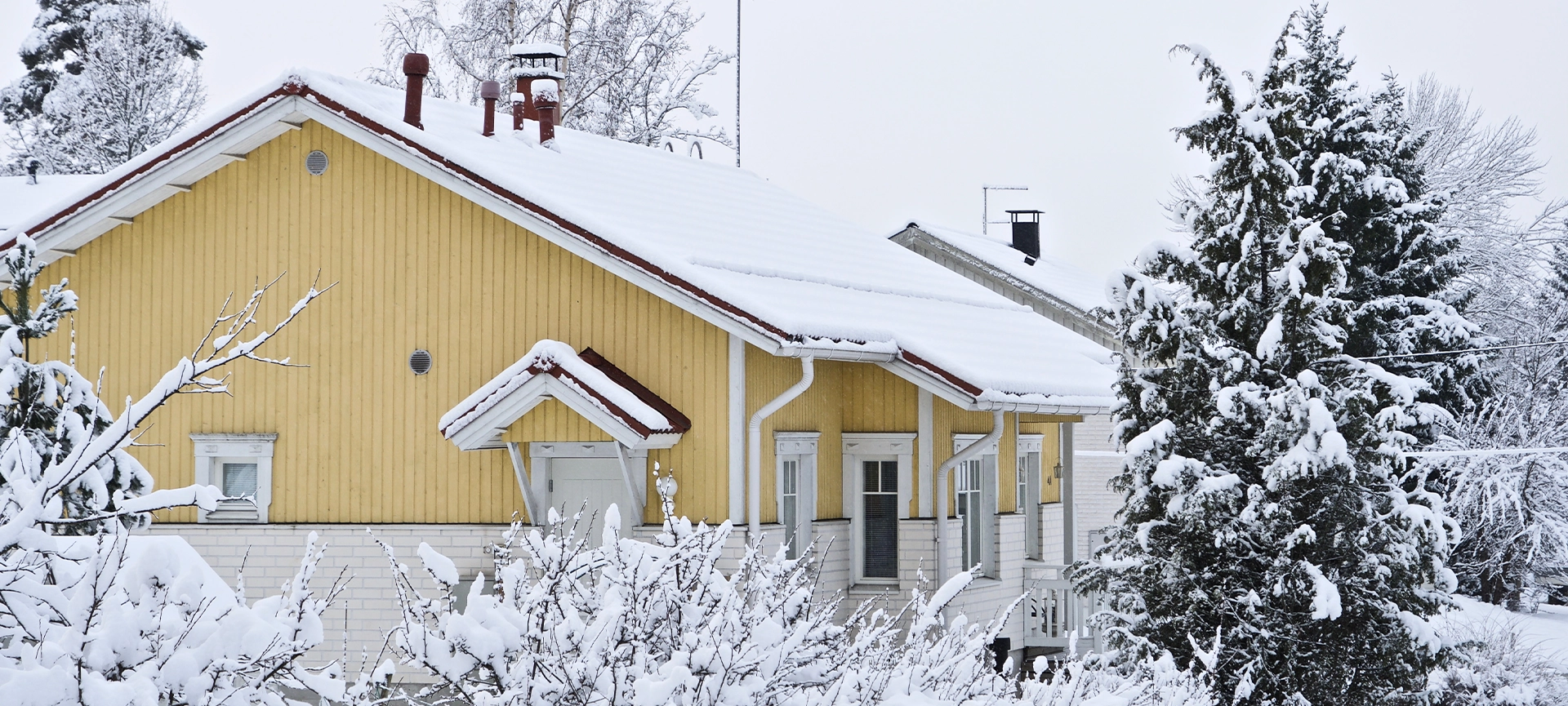

Winter puts steady pressure on Canadian homes. Snow buildup, ice formation, and freezing temperatures affect roofs, plumbing, foundations, and drainage systems. Many homeowners assume their policy will respond automatically, but snow-related claims often depend on cause, timing, and maintenance.
Winter damage rarely happens all at once. Snow builds gradually, temperatures fluctuate, and small weaknesses in a home can turn into costly problems. Knowing how insurance responds before that point helps homeowners make better decisions, reduce risk, and avoid surprises when a claim matters most.
The Short Answer Most Homeowners Need
In many situations, home insurance does cover snow damage. Coverage usually applies when damage is sudden, accidental, and not linked to neglect or long-term wear.
Snow itself is rarely the issue. Insurers focus on what the snow caused and whether the homeowner took reasonable steps to maintain the property. A collapsed roof, burst pipe, or interior water damage may be covered, while gradual deterioration or unmanaged water entry often is not.
Understanding this distinction helps homeowners avoid denied claims during winter.
Related Article: How to Prevent the Costly Winter Home Insurance Claims
How Home Insurance Defines Snow-Related Damage
Insurance policies do not list “snow damage” as a single category. Instead, snow-related losses fall under specific insured perils.
Most Canadian home insurance policies respond to damage caused by:
- Weight of snow or ice
- Freezing of plumbing systems
- Accidental water escape
- Impact from falling objects, including ice and snow
Each claim is reviewed based on cause, not season. The same damage in July or January may be treated differently if winter conditions increase the preventability risks.
Snow Damage That Is Commonly Covered
Snow-related damage can affect multiple parts of a home during Canadian winters. While coverage varies by policy, most standard home insurance plans respond to specific types of loss when the damage occurs suddenly, and the property has been reasonably maintained.
Below are the most common snow-related claims insurers approve and why these losses typically meet coverage conditions.
Roof Collapse From Heavy Snow Load
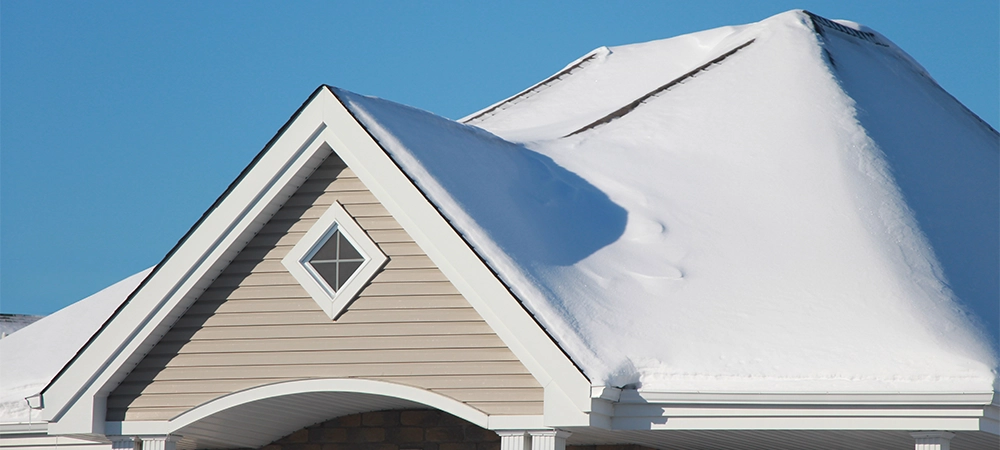
Heavy snow accumulation can exceed the structural capacity of a roof, especially on flat or low-slope designs. Most standard home insurance policies cover sudden roof collapse caused by snow or ice weight.
After a loss, insurers assess:
- Roof age and construction
- Maintenance history
- Whether damage occurred suddenly
- Local snow conditions at the time
If the roof failed without warning and was in reasonable condition, coverage usually applies to both structural repairs and resulting interior damage.
Frozen and Burst Pipes
Frozen pipes remain one of the most frequent winter claims in Ontario. Coverage typically includes:
- Damage to plumbing systems
- Water damage to floors, walls, ceilings, and contents
- Emergency water removal and drying
Policies often require homeowners to maintain heat or drain plumbing when leaving the home unattended. Failure to follow these conditions can limit or void coverage.
Ice Dams and Interior Water Damage
Ice dams form when heat loss causes snow to melt and refreeze near the roof edges. Water then backs up under shingles and enters the home.
Many policies cover interior water damage caused by ice dams, including damage to insulation, drywall, and finishes. Coverage for roof repairs themselves may be capped or limited, depending on policy wording.
Prompt mitigation and documentation help support these claims.
Damage From Falling Ice or Snow
Insurance commonly covers damage caused by falling snow or ice from roofs or trees. This may include:
- Damaged decks or fences
- Crushed sheds or garages
- Impact damage to exterior features
If the falling material causes sudden damage, it is generally treated as an insured peril.
Related Article: What Is the Average Home Insurance Cost in Toronto
Snow Damage That Is Often Excluded
Not all winter-related damage qualifies for insurance coverage. Insurers draw a clear line between sudden loss and damage that develops over time or could have been prevented through routine upkeep.
Understanding these common exclusions helps homeowners avoid denied claims and highlights where additional coverage or maintenance may be required.
Gradual Wear and Deferred Maintenance
Home insurance does not cover damage caused by neglect. If snow exposes existing issues, the claim may be denied.
Common examples include:
- Long-standing roof leaks
- Rotting fascia or soffits
- Cracked foundations left unrepaired
- Blocked drainage systems
Insurance responds to sudden loss, not predictable deterioration.
Water Entry From Ground-Level Snowmelt
Melting snow that enters a home through foundations, window wells, or basement walls is often excluded under standard policies.
This type of damage is considered groundwater or surface water intrusion. Coverage usually requires an optional endorsement, which many homeowners do not realize they need until a loss occurs.
Unoccupied Homes Without Winter Precautions
If a home is vacant or unoccupied for an extended period, insurers often impose strict conditions.
Coverage may be limited if:
- Heat is not maintained
- Water is not shut off
- The home is not inspected regularly
These requirements are outlined in the policy and apply regardless of weather severity.

Why Snow Damage Claims Get Denied
Many denied winter claims share the same underlying issues.
Insurers often refuse coverage when:
- The damage developed gradually
- Maintenance records are missing
- Policy conditions were not followed
- Required endorsements were not in place
Snow increases exposure, but policy compliance determines outcomes.
Related Article: Does Tenant Insurance Cover Water Damage?
Optional Coverages That Matter Most In Winter
Standard home insurance policies do not cover every type of winter-related risk. Some of the most costly snow and ice losses fall outside basic coverage and require optional endorsements.
These add-ons allow homeowners to extend protection where winter conditions increase exposure, particularly for water-related damage and underground infrastructure.
Overland Water Coverage
This endorsement covers damage from surface water, including melting snow that pools and enters at ground level. It is especially relevant for basements, walkouts, and older foundations.
Sewer Backup Coverage
Rapid snowmelt can overwhelm municipal systems. Sewer backup coverage protects against damage caused by water backing up through drains, toilets, or sump systems.
Service Line Coverage
Freezing temperatures can damage underground water and sewer lines. Service line coverage helps pay for repairs outside the home, where standard policies often stop.
These endorsements are optional but critical for winter risk management.
Practical Steps That Support Coverage
Insurers expect reasonable prevention efforts. These steps reduce damage risk and support claims if loss occurs.
Homeowners should:
- Clear excess snow from roofs when safe
- Keep gutters and downspouts clear
- Insulate exposed pipes
- Maintain consistent indoor heat
- Seal foundation cracks
- Ensure sump pumps are working
Photos and service records provide valuable claim support.
What to Do Immediately After Snow Damage
Quick action limits loss severity and improves claim outcomes.
If damage occurs:
- Take steps to prevent further damage if safe
- Photograph affected areas immediately
- Contact your insurance broker promptly
- Keep receipts for emergency repairs
- Avoid permanent repairs until approved, unless necessary
Early communication reduces delays and confusion.
Why Reviewing Your Policy Before Winter Matters
Many homeowners assume coverage exists without checking details. Winter exposes policy gaps quickly.
A pre-winter review helps confirm:
- Water damage endorsements
- Adequate coverage limits
- Deductible levels
- Vacancy conditions
- Regional risk exposure
Policy clarity before snow arrives prevents costly surprises later.
How Buckler Insurance Helps Homeowners Prepare
Buckler Insurance supports Ontario homeowners by reviewing coverage, explaining winter risks, and helping align policies with real conditions. With access to multiple insurers, they identify gaps and recommend suitable endorsements before losses occur.
During a claim, brokers guide communication, clarify coverage, and advocate for fair outcomes. This support is especially valuable during winter, when claims volume and complexity increase.

A Clear Winter Coverage Perspective
Snow damage is often covered, but only when policies, maintenance, and timing align. Understanding how insurance responds allows homeowners to prepare, reduce risk, and protect their investment throughout winter.
A short policy review before snowfall can make the difference between a smooth claim and an uncovered loss.
Ready to Review Your Winter Coverage?
Before the next storm hits, confirm your home insurance reflects real winter risks. A quick review helps identify gaps and ensures your coverage works when you need it most.
Contact us to discuss your home policy and winter endorsements with clarity and confidence.
Frequently Asked Questions
Does home insurance cover snow damage to roofs in Ontario?
Yes. Sudden roof damage or collapse caused by heavy snow is typically covered if the roof was properly maintained.
Is water damage from melting snow covered?
Interior damage from ice dams is often covered. Ground-level water entry from snowmelt usually requires overland water coverage.
Are frozen pipes always covered?
Frozen pipe damage is usually covered if heating or drainage requirements were followed during cold periods.
Does insurance cover damage from falling ice or snow?
Yes. Sudden damage caused by falling ice or snow from roofs or trees is commonly covered.
Why would a snow damage claim be denied?
Claims are often denied due to poor maintenance, gradual damage, missed policy conditions, or missing endorsements.
Should homeowners add extra winter coverage?
Many homeowners benefit from overland water, sewer backup, and service line coverage, especially in snow-prone areas.