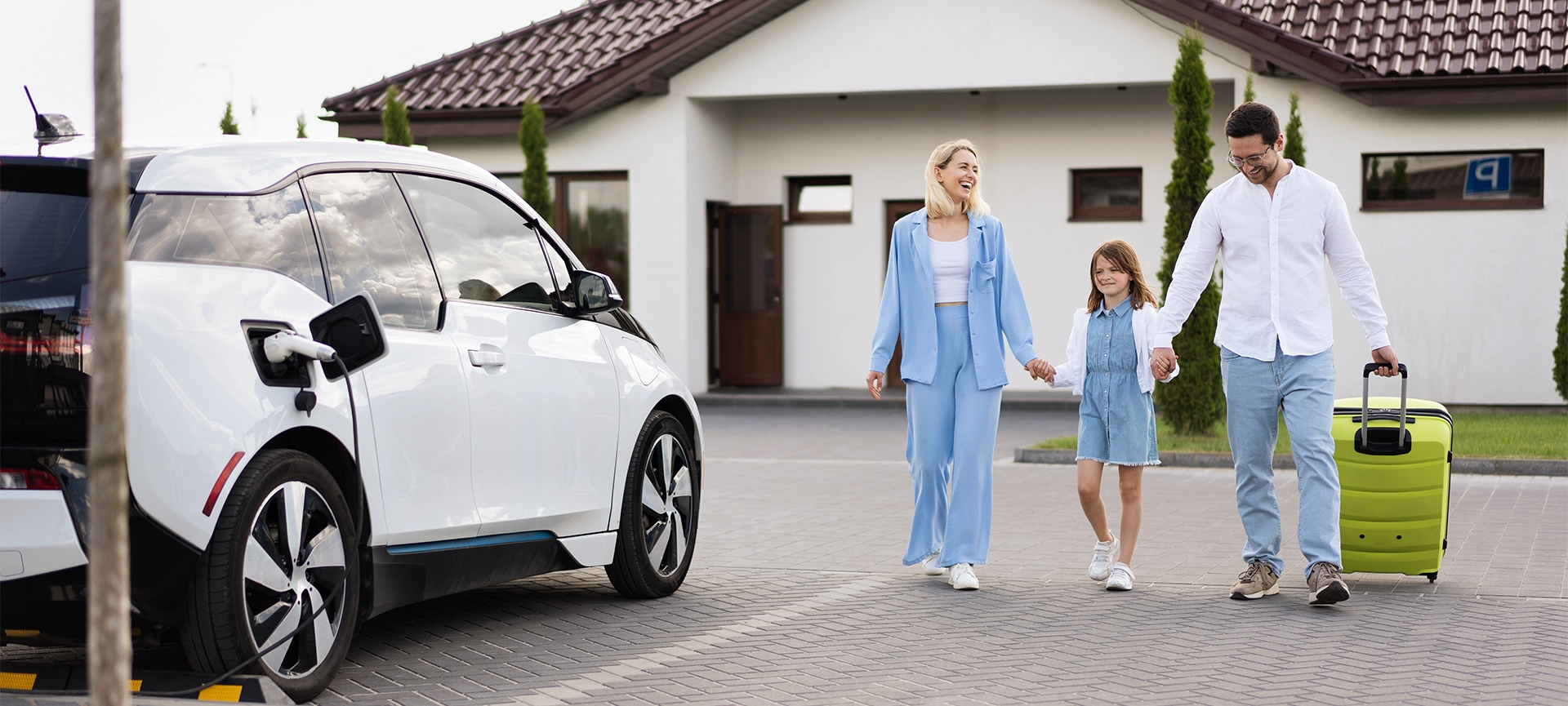

The holidays are one of the most popular times of year for travel, but they are also one of the riskiest periods for unattended homes. Understanding your home insurance coverage while on vacation is essential, especially during winter when shorter days, colder temperatures, and predictable travel patterns increase the chance that damage or theft goes unnoticed for days. Preparing your home before you leave is not about paranoia; it is about reducing preventable risks and ensuring your insurance protection remains valid if something goes wrong.
This guide walks through what to do, why it matters, and how to avoid common mistakes homeowners make before travelling.
Related Article: Does Home Insurance Cover Snow Damage?
Why Holiday Travel Puts Homes At Higher Risk
When a home is unoccupied, small issues can escalate quickly. A slow plumbing leak can become a flooded basement. A power outage can cause pipes to freeze. A break-in may not be discovered until days later, increasing loss severity.
Winter compounds these risks. Cold weather affects plumbing systems, roofs, and heating equipment. Snow accumulation hides damage. Fewer neighbours are outside to notice problems. From an insurance perspective, these conditions make preparation essential rather than optional.
Many claims that occur during holiday travel are not the result of extreme events. They come from everyday issues that were preventable with basic planning.
Securing Your Home Properly Before You Leave
Locking the front door is not enough. A proper security check means thinking like someone approaching your home when no one is around.
Most break-ins are opportunistic. Making your home look difficult to access is often enough to send someone elsewhere.
Walk through your property room by room and check every entry point. Also, exterior visibility matters as much as locks. Motion-activated lighting reduces blind spots around doors and walkways. Trimmed landscaping removes hiding places. A well-lit exterior signals that the home is cared for and monitored, even when empty.
Related Article: How to Prevent the Costly Winter Home Insurance Claims
Making Your Home Appear Occupied While You Are Away
Simple steps help create the impression of activity. Light timers placed in commonly used rooms are more effective than leaving lights on constantly. Smart lighting systems also allow varied schedules that feel natural rather than repetitive.
Mail and deliveries are one of the most overlooked risks. Canada Post offers mail hold services, and many courier companies allow delivery holds. If you expect parcels while you are away, arrange for a neighbour to collect them promptly. Packages left on a porch clearly advertise that no one is home.
Snow management also plays a role, especially during longer winter trips. Consider arranging snow removal if heavy snowfall is expected. This helps maintain the appearance of occupancy and reduces ice buildup that can create safety issues or damage walkways.
Before you leave, focus on four visibility signals that often reveal absence:
- Interior lighting that never changes
- Mail or parcels accumulating at the door
- Snow left untouched after a storm
- Outdoor areas that appear inactive or neglected
Preventing Winter Damage While Your Home Is Empty
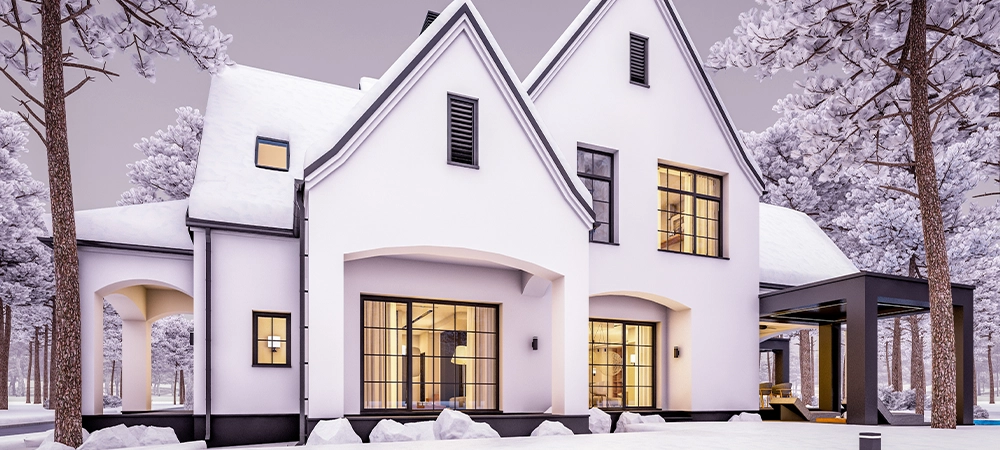
Frozen pipes are the most common issue. When temperatures drop and heating systems are set too low, water inside pipes can freeze and expand. When the pipe bursts, damage often occurs after temperatures rise again, long after you have left.
For longer trips, shutting off the main water supply significantly reduces risk. This step alone can prevent extensive water damage if a pipe fails while you are away. If you are unsure how to shut off your water safely, it is worth learning before winter travel becomes routine.
Roof and exterior preparation matters as well. Clearing gutters before departure allows melting snow to drain properly. Poor drainage increases the risk of ice dams, which can force water back under shingles and into the home.
Managing Appliances, Utilities, And Fire Risk
Appliances left unattended are another frequent source of claims.
- Before leaving, unplug small appliances such as kettles, toasters, and countertop electronics.
- Turn off or disconnect devices that do not need to remain powered. This reduces electrical fire risk and protects against power surges during winter storms.
Major appliances that use water deserve special care.
- Washing machines and dishwashers should have their water supply turned off if possible.
- Water heaters should be left on but monitored through smart leak detectors if available.
Smoke alarms and carbon monoxide detectors must be working before you travel. Many insurance policies expect functioning alarms as a basic safety measure.
- Replace batteries and test alarms on each level of your home, particularly near sleeping areas and fuel-burning appliances.
Having Someone Check On Your Home
Ask a trusted neighbour, friend, or family member to check on your home periodically. A quick visit can catch issues early, such as loss of heat, leaks, or storm damage.
Some insurance policies include conditions around unoccupied homes. They may require regular inspections after a certain number of consecutive days away. Failing to meet these conditions can affect claim eligibility, even if the damage itself is covered.
Before travelling, confirm these requirements with your broker so there are no surprises later.
Understanding How Your Home Insurance Applies While You Travel
Many homeowners assume their home insurance policy works the same way whether they are home or away. That is not always the case.
Policies can include specific language around vacancy, water damage, and winter maintenance. Coverage for frozen pipes, for example, may depend on whether reasonable steps were taken to maintain heat or shut off water.
The safest approach is to review your policy before travelling, particularly if your plans change or your absence will be longer than usual. A brief conversation can clarify expectations and highlight gaps that are easy to address.
Buckler Insurance helps homeowners understand how their coverage responds during travel and winter absences, and can adjust policies when needed.
Related Article: What Is the Average Home Insurance Cost in Toronto
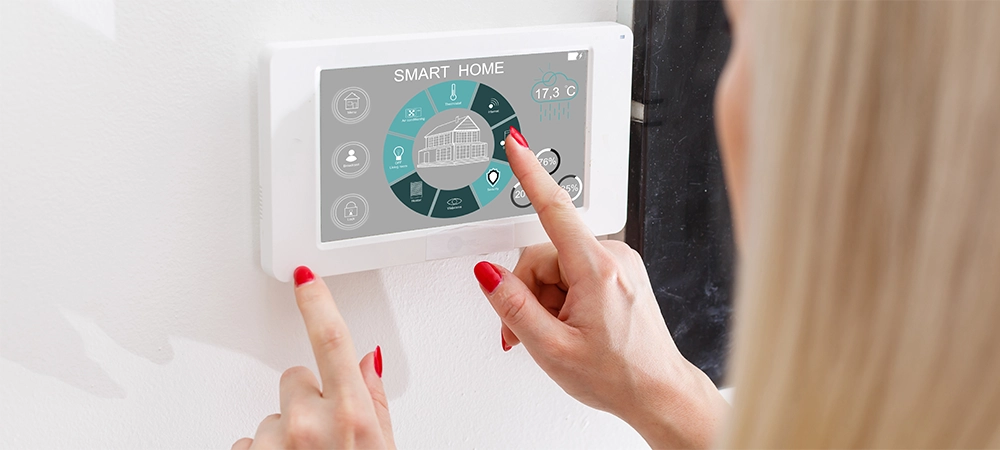
Using Smart Home Technology For Added Protection
Technology cannot replace preparation, but it can provide early warnings.
- Smart thermostats can send alerts if temperatures drop unexpectedly.
- Leak detectors can notify you of water where it should not be.
- Security cameras allow you to check in visually if something seems off.
Some insurers also view proactive monitoring favourably, as it lowers claim severity.
A Calm Departure Starts With A Clear Plan
The day you leave is often rushed. A written checklist helps ensure nothing important is missed.
- Confirm your thermostat setting, water shut-off status, locks, timers, and alarm systems before you go.
- Let your designated contact know your travel dates and how to reach you if needed.
Leave Home With Confidence This Holiday Season
Before you travel, review your home protection steps, confirm your policy conditions, and address any gaps that could affect a claim. A short conversation now can prevent delays, disputes, or uncovered losses later.
Planning to be away this holiday season? Speak with your insurance broker to review your home coverage, confirm vacancy conditions, and travel knowing your home is protected.
Frequently Asked Questions
How long can my home be empty before insurance is affected?
This depends on your policy. Many home insurance policies apply vacancy or unoccupied home conditions after a set number of consecutive days away. These may require check-ins or added precautions, especially in winter. Confirm the exact timeframe with your broker before travelling.
Do I need to turn off the water when travelling in winter?
It is not always required, but it is strongly recommended for longer winter trips. Frozen or burst pipes are among the most common and costly holiday travel claims. Some policies may limit water damage coverage if reasonable precautions, such as shutting off water, were not taken.
Will my insurance cover frozen pipes if I’m away?
Coverage often depends on whether you took reasonable steps to prevent freezing. This usually includes maintaining adequate heat and, in some cases, arranging for someone to check the home. If these steps are not met, insurers may deny or reduce claims related to frozen or burst pipes.
Does home insurance cover break-ins while I’m on holiday?
Yes, theft and vandalism are typically covered while you are away. Coverage may be affected if doors or windows were left unsecured or if vacancy conditions were not met. Proper locking and basic security measures help protect your claim.
Should I tell my insurance broker before I travel?
Yes, especially for longer trips or winter travel. Your broker can confirm vacancy rules, water damage coverage, and any endorsements you may need. Buckler Insurance can review your policy before you leave to ensure your coverage aligns with your travel plans.